
The Impact of Inflation: Distribution, Challenges, and Consequences
Inflation, when managed appropriately and contributing to increased employment opportunities, is generally not regarded as negative. However, when it spirals out of control, inflation can have detrimental effects. A fitting analogy is to compare inflation to a robber, with the crucial distinction that inflation remains invisible while a robber is visible. While a robber typically targets individuals or a few victims at a time, inflation affects an entire nation. Unlike a robber, inflation operates within the bounds of legality. Nevertheless, its disruptive nature can lead to social and economic upheavals, causing profound demoralization.
Various individuals and groups directly experience the effects of inflation without requiring explicit explanations. Entrepreneurs grappling with the demand for higher wages, retired individuals managing their lives on fixed pensions, individuals with fixed incomes resorting to borrowing from banks and other financial organizations to meet household expenses, and housewives struggling to cope with rising prices are acutely aware of inflation's impact.
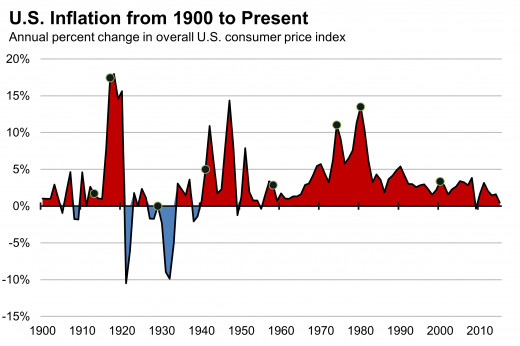
Effects of Inflation on Income Distribution
Inflation has the capacity to redistribute income unevenly due to varying price increases across factors. Entrepreneurs tend to benefit more than wage earners or those with fixed incomes. Speculators, hoarders, black market participants, and smugglers can gain windfall profits during inflation. Additionally, changes in the value of money contribute to wealth redistribution, partly due to non-uniform price rises and partly because debts are expressed in monetary terms. Inflation functions as a hidden tax, disproportionately harming the poorer segments of society, exacerbating existing poverty levels and perpetuating the cycle of wealth inequality.
Effects of Inflation on Wage Earners
Despite receiving wage increases to offset the rising cost of living, wage earners generally suffer during inflation. However, wages do not rise to the same extent as the prices of commodities that workers consume. Moreover, wage adjustments often lag behind price increases, disadvantaging workers. While organized labor groups may mitigate the effects of inflation to some extent, unorganized workers, such as agricultural laborers, may struggle to secure wage hikes.
Effects of Inflation on the Middle Class and Salaried Individuals
Individuals who rely on fixed incomes, often referred to as the middle class, are particularly hard-hit by inflation. Those dependent on past savings, fixed interest rates, rental income, pensions, salaries, etc., suffer during periods of rising prices as their incomes remain stagnant. The middle class, responsible for funding their children's education, managing healthcare expenses, and meeting daily financial obligations, face significant challenges during times of severe inflation.
Effects of Inflation on Debtors and Creditors
Debtors borrow money from creditors with the intention of repaying it with interest at a future date. Changes in price levels affect debtors and creditors differently at different times. During inflation, as prices rise and the real value of money decreases, debtors end up repaying less in real terms than what they initially borrowed, resulting in a gain for debtors. On the other hand, creditors receive less in terms of goods and services than the value of the loan, leading to losses.
Effects of Inflation on Public Morale
Inflation leads to an arbitrary redistribution of wealth, favoring businesses and debtors while adversely affecting consumers, creditors, small-scale retailers, modest investors, and individuals with fixed incomes. This decline in wealth equality and fairness negatively impacts public morale. During periods of hyperinflation, ethical standards and public morale plummet to abysmally low levels.
Effects of Inflation on Farmers
The prices of agricultural products tend to rise faster than production costs. Farmers often experience a lag between the prices they receive for their products and their production expenses. Inflationary tendencies, particularly during war and post-war periods, have been observed to assist farmers in paying off their old debts. Moreover
Effects of inflation on entrepreneurs
As prices rise, entrepreneurs benefit from increased profits due to the faster rate of price increase compared to production costs. Additionally, the time-lag between price rise and cost increase works in their favor. Moreover, inflation causes stock prices to rise, providing further gains for entrepreneurs who often rely on borrowed funds for business purposes.
Effects of inflation on investors
Inflation impacts investors differently based on their investment choices. Those investing in fixed-interest bonds or debentures experience no gain as their income remains fixed, while investors in real estate or equities witness higher returns linked to company profits. As prices rise, equities generate increased profits, but during a depression, bond and debenture holders gain while others lose.
Effects of inflation on the government
In a mixed economy, the public sector faces the consequences of fluctuating price levels. Rising prices compel the government to allocate more funds for goods, services, and raw materials necessary for projects. Estimates are revised, and taxes are raised to manage the effects of inflation.
Conclusion
Inflation, while potentially creating additional employment, can quickly become detrimental when it spirals out of control. It acts as an invisible robber, impacting the entire nation by disrupting the economy, leading to social and economic upheavals, and causing demoralization. The effects of inflation are widespread and affect different segments of society in distinct ways.
Distribution is heavily influenced by inflation, with entrepreneurs often gaining more than wage earners or fixed income groups. Speculators, hoarders, black marketers, and smugglers benefit from windfall profits. The value of money changes during inflation, resulting in the redistribution of wealth, which tends to harm the poorer sections of society, exacerbating income inequality.
Wage earners generally suffer during inflation, as their wages do not rise in proportion to the increased cost of living. The lag between wage increases and price rises works against workers, particularly the unorganized labor force, who may struggle to secure higher wages.
The middle class, relying on fixed incomes from savings, interest, rent, pensions, or salaries, faces significant challenges during periods of rising prices. Their ability to meet expenses, including education and healthcare, becomes increasingly difficult during times of serious inflation.
Inflation's impact on public morale is profound, as arbitrary wealth redistribution favors certain groups while hurting consumers, creditors, shopkeepers, investors, and those with fixed incomes. The resulting decline in ethical standards and public morale is especially pronounced during periods of hyperinflation.
Debtors and creditors experience contrasting effects during inflation. Debtors benefit from the decrease in the real value of money, paying back less than what they borrowed. On the other hand, creditors receive less in terms of goods and services than they had initially lent.
Farmers generally gain during inflation, as the prices of their products rise faster than costs. This trend helps them pay off old debts, while taxes and land revenue remain relatively stable.
Entrepreneurs benefit from inflation through increased profits due to rising prices outpacing production costs. The time-lag between price rises and cost increases, coupled with stock price appreciation, further contributes to their gains. Additionally, being borrowers for business purposes, they stand to gain from inflation.
Investors are affected differently based on their investment choices. While fixed-interest bond and debenture holders experience no gain as their income remains fixed, investors in real estate or equities witness higher returns tied to company profits. Rising prices lead to increased profits for equities, while bond and debenture holders fare better during economic downturns.
Lastly, the government in a mixed economy must contend with the impact of inflation on the public sector. Rising prices require increased spending on goods, services, and raw materials for projects, necessitating revisions in estimates and raising taxes to manage the inflationary environment.
Understanding the multifaceted effects of inflation is vital for individuals, businesses, and policymakers alike. By comprehending these consequences, it becomes possible to navigate the challenges, mitigate negative impacts, and work towards achieving economic stability and sustainable growth.



.jpg)

No comments:
Post a Comment